
 Por Marcela Sánchez
 - Crea un árbol genealógico familiar: Usa papel, colores, pegamento y hojas pequeñas. Dibuja un árbol y pídele a tu hijo que lo coloree. Pega una hoja por cada miembro de la familia en las ramas. Escribe el nombre y el parentesco debajo de cada hoja.
- Juega a “¡Adivina quién es!”: Describe a los miembros de la familia con adjetivos. Tu hijo debe adivinar a quién te refieres.
- Crea un vecindario familiar: Usa hojas de papel, colores, pegamento y cinta. Cada hoja representa una familia: abuelos, tíos, primos, etc. Dibuja una casa y una familia en cada hoja. Une las hojas con cinta, mostrando que las familias son parte de un vecindario.
- Actúa como diferentes miembros de la familia.
- Aprende canciones y rimas sobre la familia.
- Lee historias sobre familias y diferentes relaciones.
- Crea dibujos, collages o manualidades sobre la familia.
- Revisa fotos de familia y habla sobre los miembros de la familia.
- Visita a familiares y crea recuerdos juntos.
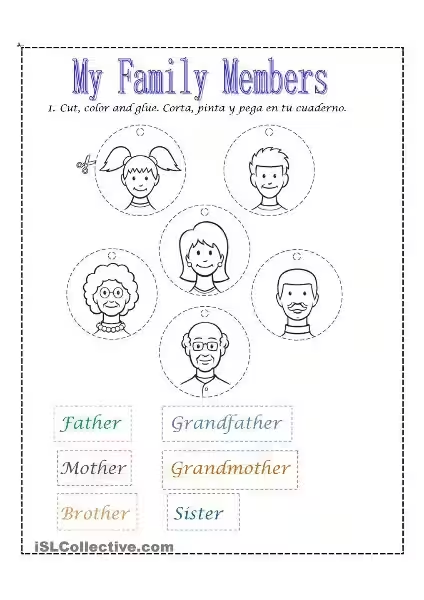
Learning a new language can be a fun and rewarding experience, especially when you can share it with your family. This resource offers a series of activities to practice English family vocabulary in a fun and effective way. These activities are based on creating sentences, completing family trees, and filling in the blanks with the correct family members.
1. Creating Sentences
This exercise presents you with a family tree containing the names of family members. Your goal is to create sentences that describe the relationships between them, using specific vocabulary like “mother,” “father,” “brother,” “sister,” “aunt,” “uncle,” etc.
For example, if the family tree shows “John” and “Mary” as the parents of “Sarah,” you can create the sentence: “John and Mary are Sarah’s parents.” This simple exercise helps you to visualize and understand the relationships within a family.
2. Completing Family Trees with Names
This exercise works the opposite way of the previous one. You are presented with sentences describing family relationships, and you must place the names of the family members on the corresponding family tree.
For instance, if the sentence says “Sarah is John’s daughter,” you should place “Sarah” as the daughter of “John” in the family tree. This exercise reinforces your understanding of family relationships and helps you to identify the correct placement of family members.
3. Completing Sentences
Finally, this exercise presents you with general sentences about family, which you must complete with the correct family member.
For example, the sentence “My ____ is the person who cooks dinner” could be completed with “mother” or “father” depending on the family in question. This exercise focuses on applying your knowledge of family vocabulary in a practical way.
Benefits of These Activities
These activities offer several benefits for learning English family vocabulary:
- Practical Learning: These activities allow you to apply family vocabulary in real-world contexts.
- Developing Comprehension: The sentences help you understand family relationships in English.
- Improving Fluency: Repeating phrases and completing sentences allows you to use vocabulary in a natural way.
- Fun and Engagement: These activities are interactive and allow you to learn while having fun.
Ultimately, this resource provides an effective and enjoyable way to practice English family vocabulary, allowing you to solidify your knowledge and improve your fluency.
30 Relevant Points on Activities for Learning Family Members
Here are some fun and engaging activities that can help you and your family learn about family members in English:
- My Family Tree in English: Create a family tree with paper, colors, glue, and small leaves. Draw a tree without leaves and ask your child to color it. Glue a leaf for each family member on the branches. Write the name and relationship under each leaf. Explain that the tree represents the family as a whole.
- Guess Who!: This is a mental game for learning adjectives in English. Describe family members with adjectives. Your child must guess who you’re referring to. It reinforces vocabulary and family members in a fun way.
- Family Neighborhood: Use several sheets of paper, colors, glue, and decorative tape. Each sheet represents a family: grandparents, uncles, cousins, etc. Draw a house and a family on each sheet. Join the sheets with tape, showing that the families are part of a neighborhood. Explain that even though they live in different places, they belong to the same family.
- Role-Playing: Act as different family members.
- Songs and Rhymes: Learn songs and rhymes about the family.
- Books and Stories: Read stories about families and different relationships.
- Drawings and Crafts: Create drawings, collages, or crafts about the family.
- Family Photos: Review pictures and talk about family members.
- Family Trips: Visit relatives and create memories together.
Benefits of Activities
These activities provide several benefits for both children and adults:
- Learning family vocabulary: These activities will help you learn about family relationships and learn the names for different family members.
- Strengthening family bonds: Spending time together and engaging in shared activities can help strengthen family bonds.
- Developing imagination and creativity: These activities encourage children to use their imaginations and create their own stories and ideas.
- Promoting love and understanding between family members: Engaging in these activities can help family members understand and appreciate each other better.
- Creating positive and lasting memories: Spending quality time together and engaging in fun activities creates lasting memories that families can cherish for years to come.
Importance of Family
Family is a crucial part of our lives. It provides love, support, and security. Family members help shape our personality and identity. Having a strong and united family is fundamental to individual well-being.
Tips
Here are some tips for making the most of these activities:
- Adapt the activities to your child’s age and learning level.
- Make the activities fun and interactive.
- Pay attention to your child’s needs and interests.
- Celebrate your child’s achievements and encourage their participation.
- Dedicate quality time to your family and enjoy the experience together.
Remember, the main goal of these activities is to learn about family members and strengthen family bonds. Have fun together and create unforgettable memories!
¿Cuáles son algunos ejemplos de actividades para aprender vocabulario de la familia en inglés?
Crea un árbol genealógico con papel, colores, pegamento y hojas pequeñas. Dibuja un árbol sin hojas y pídele a tu hijo que lo coloree. Pega una hoja por cada miembro de la familia en las ramas. Escribe el nombre y el parentesco debajo de cada hoja. Explica que el árbol representa a la familia como un todo.
¿Cómo puedo hacer que aprender vocabulario de la familia en inglés sea divertido?
¡Adivina quién es! Es un juego mental para aprender adjetivos en inglés. Describe a los miembros de la familia con adjetivos. Tu hijo debe adivinar a quién te refieres. Refuerza el vocabulario y los miembros de la familia de forma divertida.
¿Hay alguna forma de hacer que el aprendizaje del vocabulario de la familia en inglés sea más práctico?
Usa varias hojas de papel, colores, pegamento y cinta decorativa. Cada hoja representa una familia: abuelos, tíos, primos, etc. Dibuja una casa y una familia en cada hoja. Une las hojas con cinta, mostrando que las familias son parte de un vecindario. Explica que aunque viven en diferentes lugares, pertenecen a la misma familia.
¿Qué otros tipos de actividades se pueden utilizar para enseñar el vocabulario de la familia en inglés?
Otros tipos de actividades incluyen juegos de roles, canciones y rimas, libros y cuentos, dibujos y manualidades, fotos de familia, y viajes familiares.
¿Cuáles son los beneficios de estas actividades?
Los beneficios incluyen aprender el vocabulario relacionado con la familia, fortalecer los lazos familiares, desarrollar la imaginación y la creatividad, fomentar el amor y la comprensión entre los miembros de la familia, y crear recuerdos positivos y duraderos.


