
 Por Marcela Sánchez
 - Aprende las palabras básicas para los miembros de la familia en inglés.
- Practica la pronunciación de estas palabras.
- Familiarízate con las diferentes formas de referirse a la familia en inglés, como “in-laws” para familiares por matrimonio.
- Utiliza recursos adicionales como videos educativos y películas para practicar el vocabulario familiar.
- Amplía tu vocabulario con términos menos comunes, como “adopted” o “foster child”.
- Presta atención a las consideraciones culturales relacionadas con la familia en países de habla inglesa.
- Comparte historias familiares con amigos de habla inglesa.
- Sigue aprendiendo inglés con otras lecciones de vocabulario.
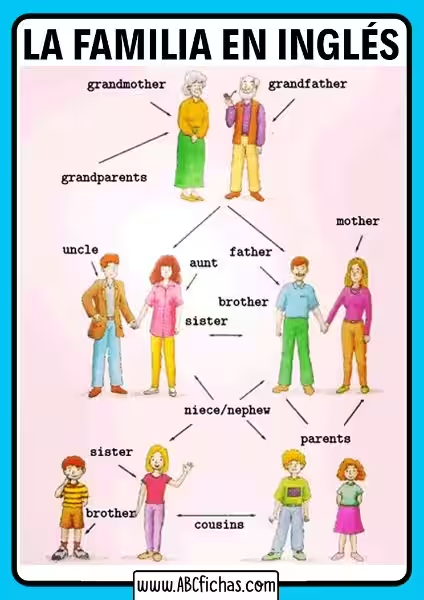
The word “family” holds a powerful meaning across cultures and languages. It signifies a sense of belonging, love, and support. Whether you’re learning English or simply want to expand your vocabulary, understanding how to talk about family is essential.
Understanding Family Terms in English and Spanish
The English word “family” comes from the Latin word “familia,” which originally meant “household.” Today, it encompasses a wider range of relationships, including those who are not necessarily related by blood but share a sense of kinship.
Immediate Family:
The immediate family usually refers to the closest members of a household. Here are some key terms in both English and Spanish:
- Mom/Mother (mʌðər): Madre (máðre)
- Dad/Father (ˈfɑːðər): Padre (páðre)
- Sister (ˈsɪstər): Hermana (ermána)
- Brother (ˈbrʌðər): Hermano (ermáno)
- Siblings (ˈsɪblɪŋz): Hermanos (ermános)
- Daughter (ˈdɔːtər): Hija (íxa)
- Son (sʌn): Hijo (íxo)
- Children (ˈtʃɪldrən): Hijos (íxos)
- Wife (waɪf): Esposa (espósa)
- Husband (ˈhʌzbənd): Esposo (espóso)
Extended Family:
The extended family includes relatives beyond the immediate family circle. These terms help you describe broader relationships.
- Aunt (ænt): Tía (tíːa)
- Uncle (ˈʌŋkəl): Tío (tíːo)
- Grandmother (ˈɡrændˌmʌðər): Abuela (aβwéla)
- Grandfather (ˈɡrændˌfɑːðər): Abuelo (aβwélo)
- Grandparents (ˈɡrændˌpɛərənts): Abuelos (aβwélos)
- Niece (niːs): Sobrina (soβrína)
- Nephew (ˈnefjuː): Sobrino (soβríno)
- Cousin (ˈkʌzən): Primo/Prima (prímo/príːma)
Family by Marriage:
Marriage creates new family connections, and these terms help you understand those relationships.
- Stepmother (ˈstɛpˌmʌðər): Madrastra (maðrástra)
- Stepfather (ˈstɛpˌfɑːðər): Padrastro (paðrástro)
- Stepsister (ˈstɛpˌsɪstər): Hermanastra (ermánastra)
- Stepbrother (ˈstɛpˌbrʌðər): Hermanastro (ermánastro)
- Mother-in-law (ˈmʌðər ɪn lɔː): Suegra (swéɣra)
- Father-in-law (ˈfɑːðər ɪn lɔː): Suegro (swéɣro)
- Daughter-in-law (ˈdɔːtər ɪn lɔː): Nuera (nwéra)
- Son-in-law (ˈsʌn ɪn lɔː): Yerno (yérno)
Other Family Terms:
Beyond the common terms, there are other words that describe specific family situations or relationships.
- Adopted (əˈdɑːptɪd): Adoptado/a (aðoptáðo/a)
- Twins (twɪnz): Gemelos (xémelos)
- Triplets (ˈtrɪplɪts): Trillizos (trilíθos)
- Spouse (spaʊs): Cónyuge (kónyuxe)
- Partner (ˈpɑːrtnər): Pareja (parexa)
- Engaged (ɪnˈɡeɪdʒd): Comprometido/a (kompromεtíðo/a)
- Married (ˈmærid): Casado/a (kasáðo/a)
- Divorced (dɪˈvɔːrst): Divorciado/a (diβorsiáðo/a)
- Widow (ˈwɪdoʊ): Viuda (βíuda)
- Widower (ˈwɪdoʊər): Viudo (βíudo)
Using Family Vocabulary in Conversation
Once you’ve learned these basic terms, you can practice using them in everyday conversations. Here are some examples:
“Do you have any siblings?” (¿Tienes hermanos?)
“I have two sisters and a brother.” (Tengo dos hermanas y un hermano.)
“How many grandchildren do your parents have?” (¿Cuántos nietos tienen tus padres?)
“My grandparents have six grandchildren.” (Mis abuelos tienen seis nietos.)
Beyond Words: Understanding Family Dynamics
While vocabulary is important, it’s also crucial to understand the cultural nuances of family in both English and Spanish. Family structures and dynamics can vary significantly.
In English-speaking cultures, the nuclear family (parents and children) is generally considered the norm. Divorce and single-parent households are not stigmatized as they might be in other cultures. Extended families are often geographically dispersed, with less frequent contact.
In Spanish-speaking cultures, extended families often play a more prominent role. Close relationships with aunts, uncles, cousins, and grandparents are common. The concept of family extends beyond blood ties to include close friends who are considered “family” despite not being related.
Family: A Constant in a Changing World
The definition of “family” is constantly evolving, but its essential meaning remains the same. It represents a network of love, support, and shared experiences that enriches our lives. Whether you’re learning a new language or simply exploring the complexities of human relationships, understanding family is a journey worth taking.
Preguntas Frecuentes sobre la Familia en Inglés y Español
¿Cómo se dice “padre” en inglés?
Father (fáðər)
¿Cómo se dice “madre” en inglés?
Mother (mʌðər)
¿Cómo se dice “hijo” en inglés?
Son (sʌn)
¿Cómo se dice “hija” en inglés?
Daughter (ˈdɔːtər)
¿Cómo se dice “hermano” en inglés?
Brother (ˈbrʌðər)
¿Cómo se dice “hermana” en inglés?
Sister (ˈsɪstər)
¿Cómo se dice “abuelo” en inglés?
Grandfather (ˈɡrændˌfɑːðər)
¿Cómo se dice “abuela” en inglés?
Grandmother (ˈɡrændˌmʌðər)
¿Cómo se dice “nieto” en inglés?
Grandson (ˈɡrændˌsʌn)
¿Cómo se dice “nieta” en inglés?
Granddaughter (ˈɡrændˌdɔːtər)
¿Cómo se dice “tío” en inglés?
Uncle (ˈʌŋkəl)
¿Cómo se dice “tía” en inglés?
Aunt (ænt)
¿Cómo se dice “sobrino” en inglés?
Nephew (ˈnefjuː)
¿Cómo se dice “sobrina” en inglés?
Niece (niːs)
¿Cómo se dice “primo” en inglés?
Cousin (ˈkʌzən)
¿Cómo se dice “prima” en inglés?
Cousin (ˈkʌzən)
¿Cómo se dice “suegro” en inglés?
Father-in-law (ˈfɑːðər ɪn lɔː)
¿Cómo se dice “suegra” en inglés?
Mother-in-law (ˈmʌðər ɪn lɔː)
¿Cómo se dice “yerno” en inglés?
Son-in-law (ˈsʌn ɪn lɔː)
¿Cómo se dice “nuera” en inglés?
Daughter-in-law (ˈdɔːtər ɪn lɔː)


